
Pre-Interview Research I was looking forward to this interview immensely. Theology is not something I…
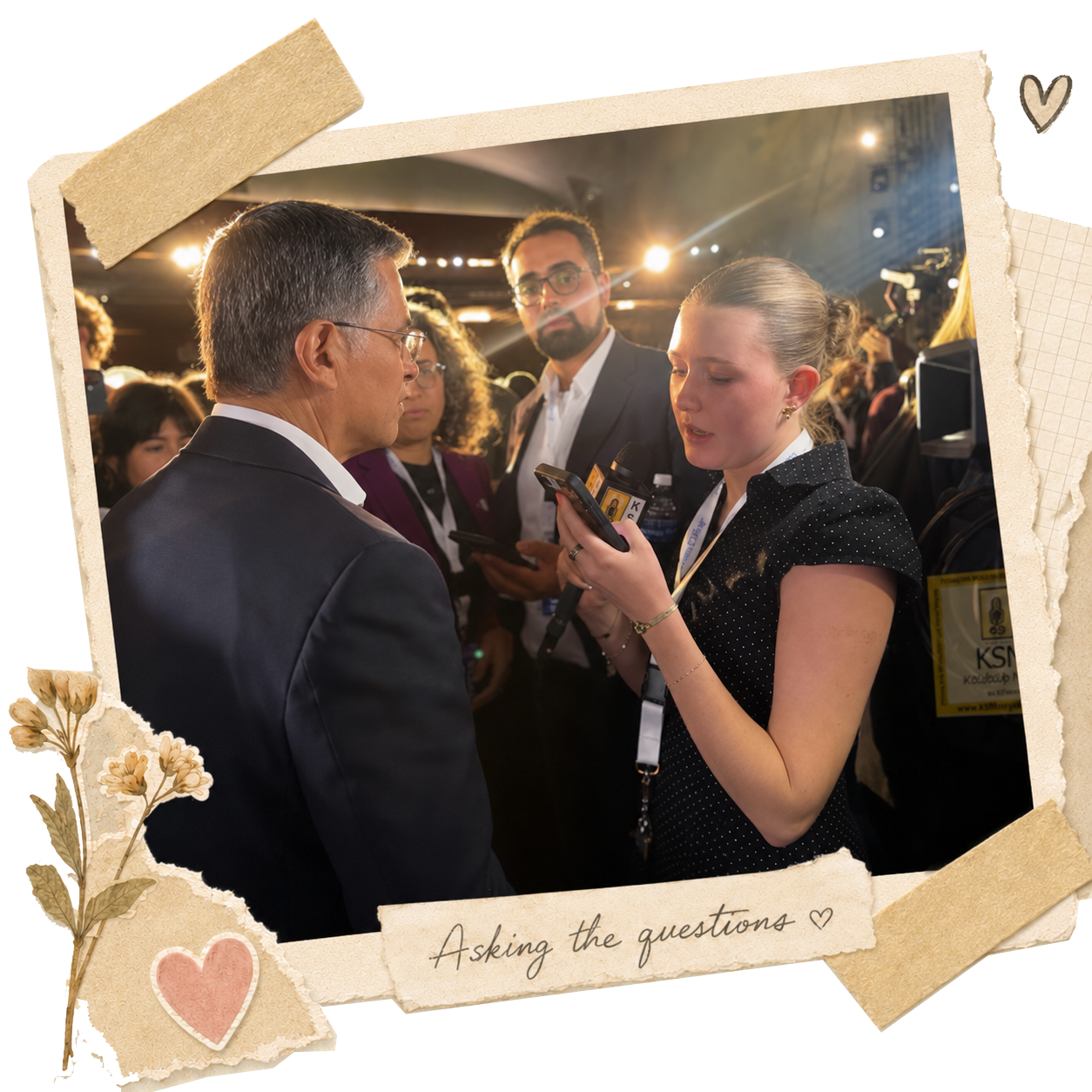
Gubernatorial Debate Interviews
Pomona College
Pre-Interview Research
Interviewing a single person is one thing. Walking into a room prepared to engage an entire field of gubernatorial candidates is another challenge entirely. I approached my research the same way I approached researching for my own debates. I studied each candidate’s background, policy record, and public statements, layering what I already knew with deeper investigation so that my questions wouldn’t just be informed, but tailored to each candidate. I paid particular attention to gaps – distance between what candidates said on the campaign trail and how they actually voted. That gap, I suspected, was where the most honest conversation would take place, subsequently helping me make my main question, which addressed the CEQA policy. I wanted to ask the things that actually needed to be asked, as well as what people my age wanted to know.
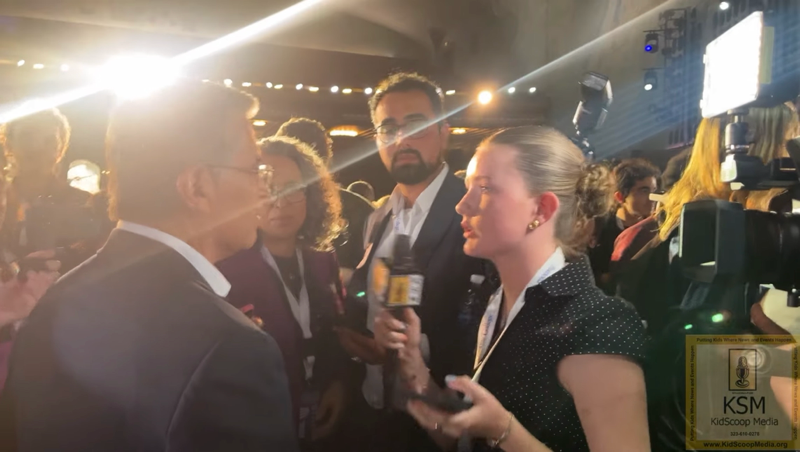
The Conversation
The main question I formulated was:
I’m 15 years old, and I’m already worried I won’t be able to afford to live in California when I grow up. Democrats have been in charge of this state my entire life – yet laws like CEQA make it nearly impossible to build new housing, gas regulations keep our prices among the highest in the nation, and taxes continue driving businesses and families out. How do you justify supporting the very policies that created these conditions, while telling my generation that you care about our future?”
What followed was preformed answers. Most candidates deflected or told me what they thought I wanted to hear with their answers designed to sound responsive without actually being so. Several contradicted their own documented positions, claiming not to support CEQA despite voting records that said otherwise. The candidates who were most uncomfortable weren’t necessarily the least prepared. They were the ones who understood exactly what I was asking and had no honest answer for it.
What I Learned
Two lessons left a mark on me. The first is that the ability to engage civilly and honestly with those you disagree with is one of the most powerful tools a person can carry. The second is that character is not peripheral to leadership; it is essential for leadership. I watched polished, articulate candidates unravel the moment their integrity was gently challenged. A well-researched question is its own form of pressure. Rhetoric can carry you far, but it cannot substitute for honesty.
My Take
As a Catholic, I believe we are called to pursue truth – not the comfortable version of it, but the real one. What I didn’t fully anticipate was how much you can learn from what people choose not to say. Asking hard questions in a space like that, as a 15-year-old girl, is its own act of faith. I am frequently told that I am too young to be involved in politics, as though curiosity and conviction have an entry requirement. Days like this remind me that they don’t.
What I’d Do Differently
I would be more precise. I also recognize now that when a candidate evades, the follow-up is where the real interview begins and in the future I want to propose follow-ups that dig deeper.

Related Posts
Comments (0)